Personalisation: The Human Side of Automated Driving
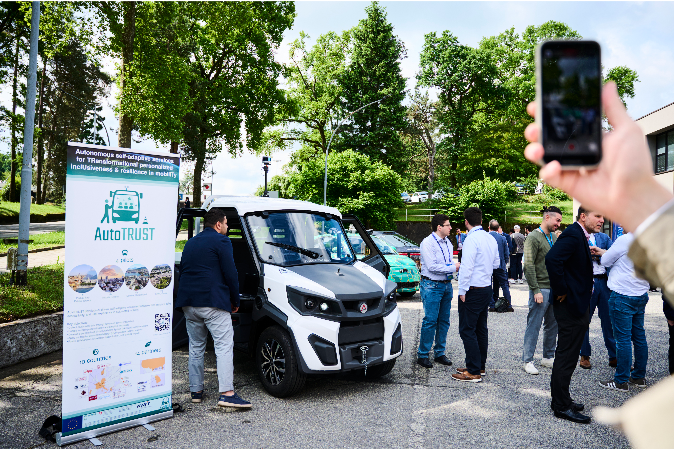
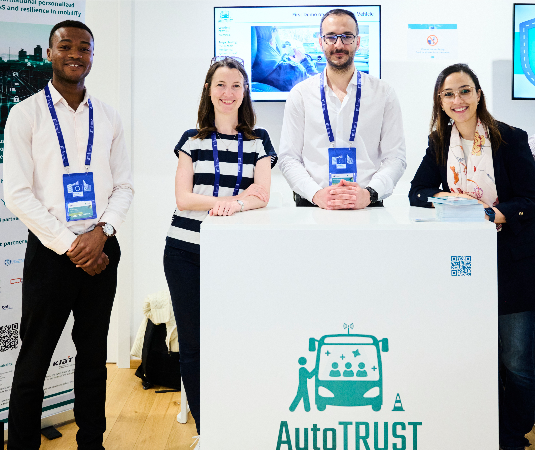
During the EUCAD Conference, held from 12 to 15 May 2025 in Ispra, Italy, one theme stood out: Vehicles of tomorrow won’t just drive themselves; they’ll adapt to you . In this blog, The University of Geneva (UNIGE) will explore the latest trends and insights from the event, including highlighting how automotive innovation is evolving to meet the needs of drivers in more personalized ways.
Imagine stepping into a shared automated vehicle after a long day. The cabin quietly adjusts the temperature, fine-tunes the seat position, and refreshes the air quality. It feels less like public transport and more like a space designed just for you. This is possible through a network of smart sensors working together inside the vehicle:
- Cameras that recognise how many people are on board, and where they’re seated.
- Air quality sensors that monitor CO₂ and particles, keeping the cabin fresh.
- Temperature and humidity sensors that adjust climate control automatically.
- Seat pressure sensors that help safety systems distinguish between a child and an adult passenger.
By combining data from different sources, the vehicle builds a real-time understanding of the cabin and its occupants. Engineers call this “data fusion,” but to passengers it simply means: A vehicle that understands you.
Why It Matters
As cars become more automated, people will expect more than just safety. They’ll want vehicles that feel comfortable, responsive, trustworthy, and accessible. Families will appreciate that the car keeps children safe and comfortable. Elderly passengers will rely on smoother, easier experiences. Commuters will enjoy a cabin that adapts automatically to their preferences. Personalization is what makes automation human-centred.
The Human Side of Automation
Of course, personalisation also comes with responsibility. Not everyone wants their every move analyzed. That’s why researchers are exploring ways to make in-cabin sensing transparent, respectful, and privacy-conscious. The goal is simple: vehicles that adapt to people without crossing personal boundaries. As we look toward the future of mobility, it’s clear that automation isn’t just about self-driving cars; it’s about creating vehicles that truly understand and respond to the people inside them. By combining smart technologies with thoughtful design and privacy-conscious practices, the next generation of cars promises not only efficiency and safety but also comfort, trust, and a sense of personal connection. In this evolving landscape, human-centered automation is not just a technical achievement; it’s a new way of experiencing travel itself.